The migration over to Substack is starting this week. Unless you have written to say you’d prefer not to go to Substack, you will be added as a subscriber to my substack: Out My Window sometime in the next month. You will receive a welcome letter from me.
As far as I know, you only have to receive the email. You do not have to have a Substack account unless you are interested in other substacks.
There is a good chance that you may receive both posts for a couple of weeks. I will try to not let that happen. Please forgive me if things get doubled up. I’ve heard this kind of migration is never easy.
Thank you, as always, for reading my words, making comments and suggestions, and encouraging my work. It means the world to me.
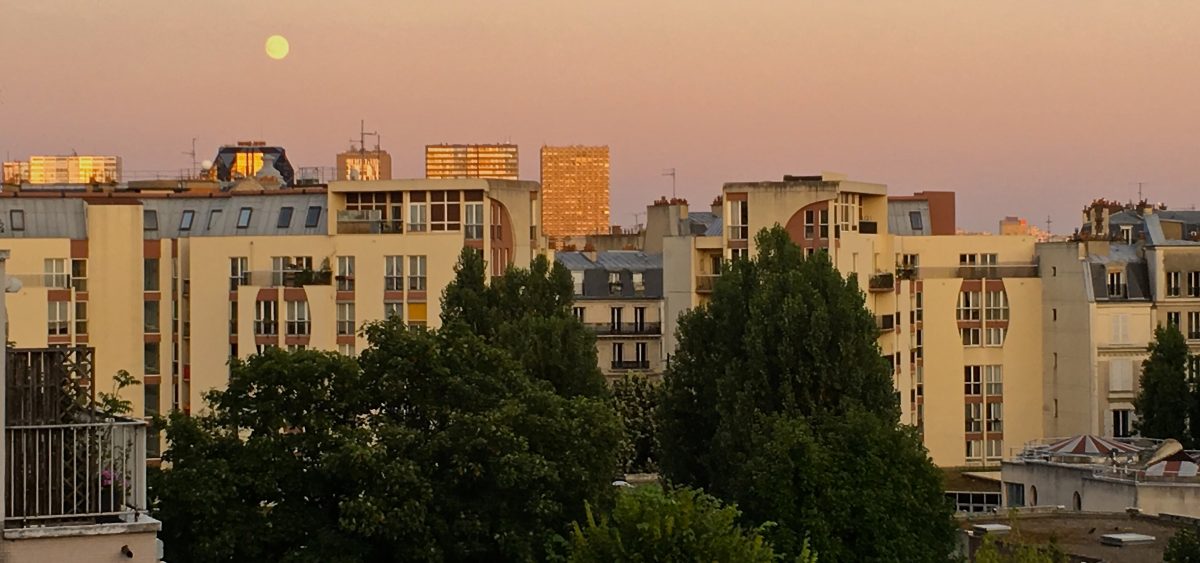
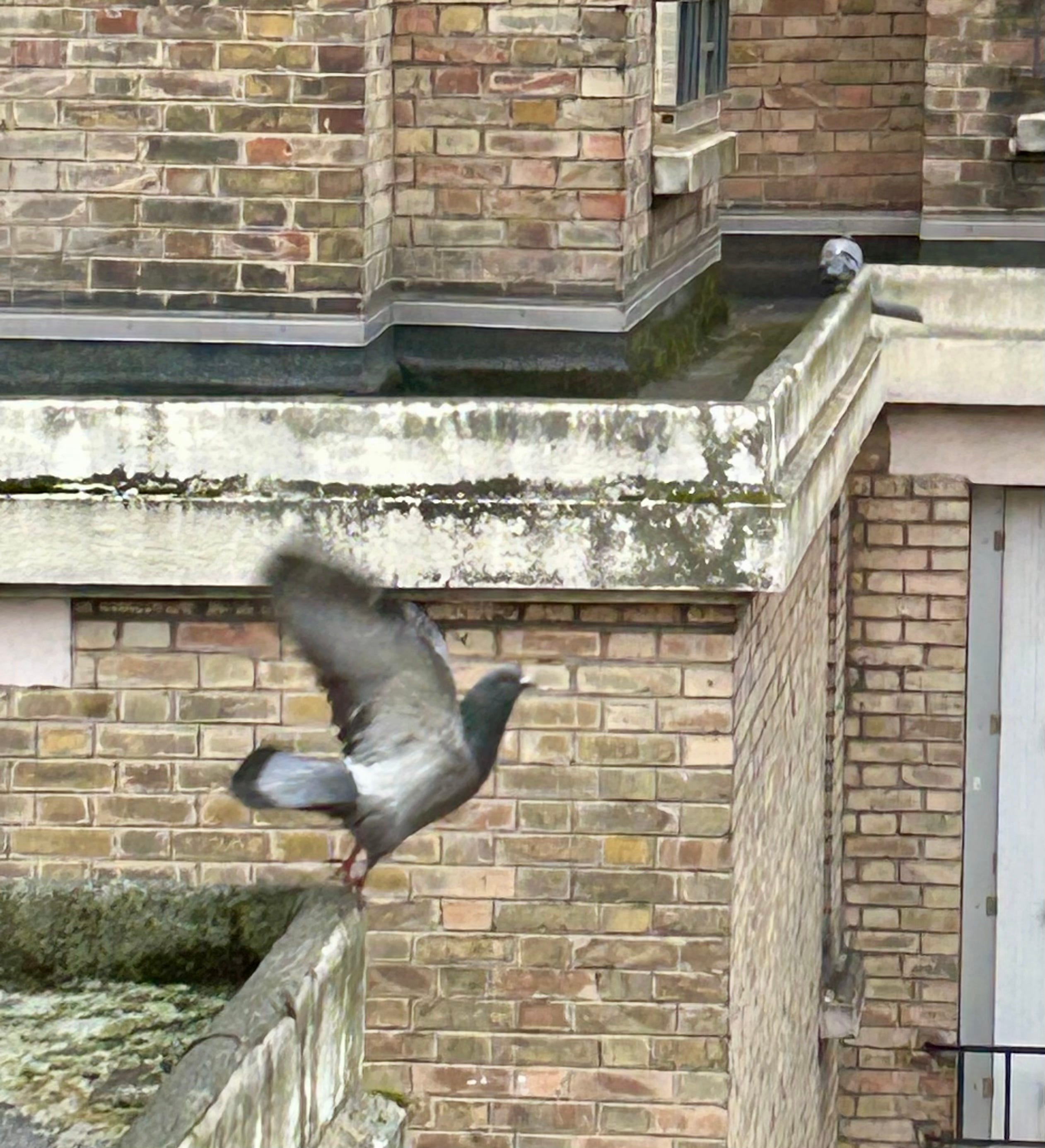
My home office, that also subs as a guest room with a twin bed/trundle bed, has one large window that overlooks one of the courtyards in my apartment complex. What I see when I’m sitting at my computer are the apartments across the way in the first building, and the two foot ‘shelf’ that circumnavigates my apartment. When I’m thinking ‘what should I write about?,’ I often look out and watch the Parisian pigeons land, investigate, play with each other, fly away, return. They are always there.
Except they aren’t. For the past five days, there have been no pigeons outside my window. One or two little birds, starlings maybe, flit around, fly more than land on the shelf. I miss the pigeons. I hadn’t really given them a lot of thought before. They aren’t messy. There aren’t hoards of them making a ruckus. There are six or seven every day who entertain me.
Where are they? Is it the cold? Has something happened in this area chasing them away? Pigeons don’t seem to be intimidated by much.
My fellow Substacker, Jenn Bragg, did a little research on pigeons a year ago. Click and you can read what she unearthed. She is not as fond of them as I am. I did like that the French army still raises carrier pigeons for just in case.
Parisian pigeon with sparkly necklace
SortirAParis, an on-line site for tourists and English speaking exPats poses an interesting question: How come we never see baby pigeons? Where are they? “In the City of Light, there are generally three species of pigeon: the rock pigeon, also known as the passenger pigeon, the wood pigeon and the pigeon. The former is a rock species: it nests in rock faces or holes often built by man. The second is arboreal, nesting in trees. Lastly, the cavicole prefers to nest in tree cavities.
So it’s not easy to come face to face with a pigeon nest. And yet that’s where their young are: they don’t leave the family cradle until they reach adulthood, after three weeks. That’s right, they’re fast-growing! And that’s why pigeons are never seen in the company of their young. Now we know you’ve got one more question on your mind: what does a baby pigeon look like? Find out below!”
Ahmed-Najib-Biabani-Ibrahimkhel—for SortirAParis
According to Ovocontrol, pigeons do not migrate. They are sedentary. “Instead, they remain in their urban or rural habitats year-round. In colder climates, they may search for shelter in warm, protected areas such as building attics, eaves, and other structures to escape the cold.”—Ovocontrol. Paris is definitely a colder climate. However, this fall, though chilly and rainy, hasn’t gone below 48o and that’s in the early mornings.
For more pigeon facts that may cause you to reexamine your attitude towards pigeons, go to. (Click). They are amazing creatures.
Two of My pigeons on the ledge around my apartment
But none of this answers my question. Where have MY pigeons gone? If you live in Paris and have any information, please write below in the comments section. If you know about pigeons wherever you live and have some information for me, I’d love your comments.
A bientôt,
Sara
PS A bloggers view on the difference between New York pigeons and Parisian pigeons. Click here
When we dream of moving to Paris, our heads (my head) are filled with romanticism: the beautiful architecture, the sky unencumbered by skyscrapers, the stores on every street bursting with color of seasonal fruits and vegetables, the cafés where one can order an expresso and then sit for hours, a city full of walkers-everyone walks and enjoys walking. What we don’t think of until we are here and in need is the strictness of French bureaucracy, black and white. Either you accept it or you drive yourself mad trying to figure out ways to make it move faster. And the fact that everyone speaks French. Which, depending on our schooling, when arriving in our adopted country, we come with different levels of fluency.
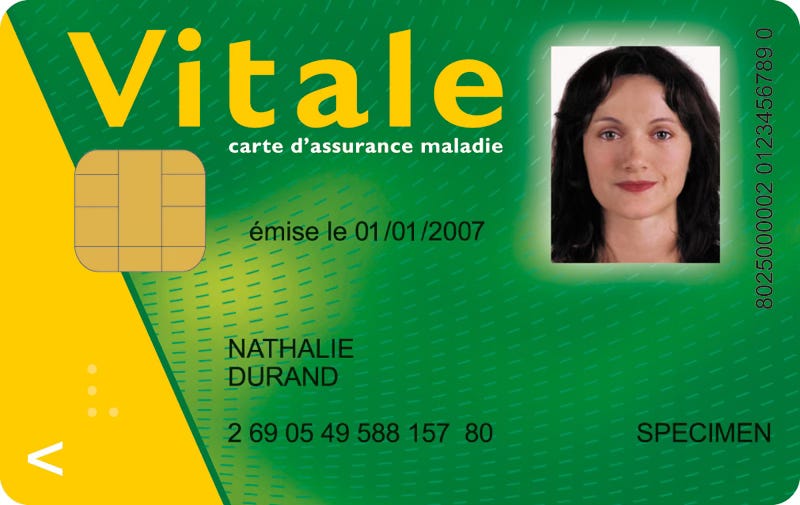
For the first three or four years, I would take someone with me when applying and reapplying for my one-year residency card, renewable yearly. I kept my US health insurance not realizing that I could apply for the social security and carte vitale after I’d lived here for over three months (That may change. The French parliament is proposing that US retirees pay a fee for their carte vitale). Once I got my Carte Vitale, I looked for doctors who spoke English again not realizing that they charged at least 50% more for that service. But I was too afraid that I would miss something crucially important if I depended on my B2 level of French.
Recently I have been struggling with a few issues: intense vertigo being the main health issue that I worry about. I’ve always had some form of vertigo although it would go away for years. It has returned with a vengeance. After I returned from the trip to Spain in September, it hit on a Monday, more of an attack. By Tuesday evening, I was crawling around on all fours. I’d had some neck pains before I left and thought I’d taken steps to deal with my neck.
If you have never had vertigo, it is not only awful, it’s frightening, debilitating. The world spins around at high speed making most people nauseous. You start to vomit and can’t stop even when there is nothing left. Vertigo is not a matter of life and death (although I once got it while driving on the freeway from Walnut Creek to Oakland. I had to pull over and lie down on my front seats until it passed). Vertigo is isolating. With this last episode, I have had no idea when it would hit or what triggered it. Lying flat I knew was one culprit. I didn’t go to any of my gym classes. A heaviness like a cycle helmet of concrete hung around my head at all times. I was afraid to move my head from side to side. I probably looked to others like my spine extended through my head and I had abandoned all flexibility.
How do you like this for a diagnosis??
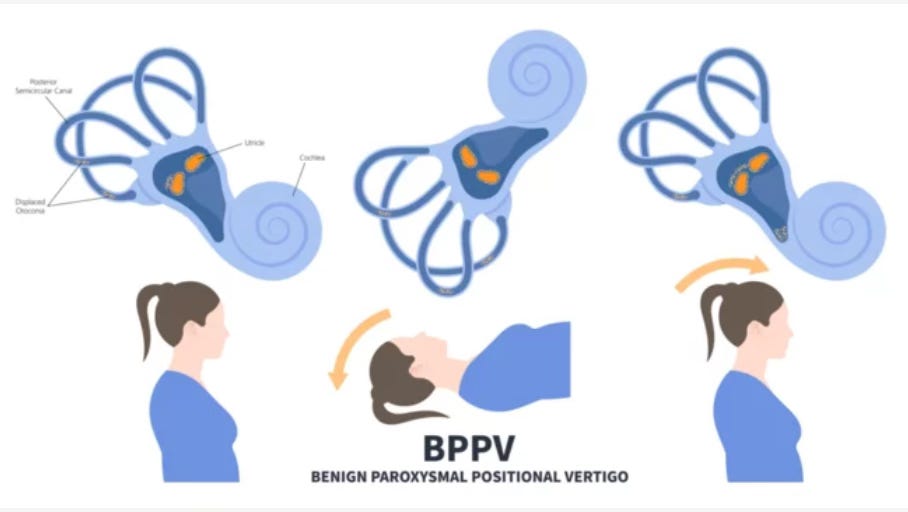
My doctor, who speaks English, referred me to a Vertigo clinic but I couldn’t get in for four weeks. Everyone I knew who had had some experience with vertigo had advice for me. And I was willing to try anything. Now six weeks after the first onset, I don’t feel very educated on what’s wrong. I know it has to do with crystals in my right ear and getting them to return to their proper place. However, with age, crystals tend to get stuck and refuse to budge making balance a very precious commodity. The doctor at the vertigo clinic induced vertigo then sent me home. I was upset. And scared to do one of the maneouvers that is supposed to budge those pesky crystals back into their proper place.
This is probably what I have.
This week I went to a kiné. A kinesteologist but different from American kinestheologists. They are a combination of osteopath, massage, and physical therapy. Cédric, I was told, speaks English, I was told wrong. And once more I have found myself in the hands of a health professional communicating in French. The first time I went to a health professional who spoke no English, I used my translator, DeepL, to write out in English what the problem was and what I hoped for. DeepL would translate into French and I’d make a word document which I’d take to the professional. Today, I told myself to trust that I spoke fairly good French and just go. I couldn’t help but think of Ginger Rogers doing everything that Fred Astaire did but backward and in heels. That’s the way it feels. I’m going to my doctor. I’m going because I need the wisdom and expertise of a health professional. I’m doing it all in French.
We make our appointments through Doctolib, a wonderful site that makes it so much easier to do this ‘in French’
I’m told by French people that my French is fine. I think that means I get along. I couldn’t possibly go to a French movie without subtitles, enjoy it, then go to coffee with friends and have a discussion. Half the movie would be in argot (slang). The only place I know to hear pure French so I practice is the news. I prefer France 24. But I’m not a great fan of the news at the moment.
So I struggle along. If I were completely healthy, I think living in French is hard work, it’s tiring. I forget that. Now, dealing with vertigo, and living in French, I’m tired a lot. I don’t like being tired. I judge myself and feel old. My Irish doctor says vertigo has nothing to do with age—get over it. If only….
Would I trade all that in to return to the States and deal with that health care system and converse with doctors in English? Not on your life. This is a small price to pay. And truth be told, I need every kick in the ass I can get to keep practicing my french.





 Out My Window