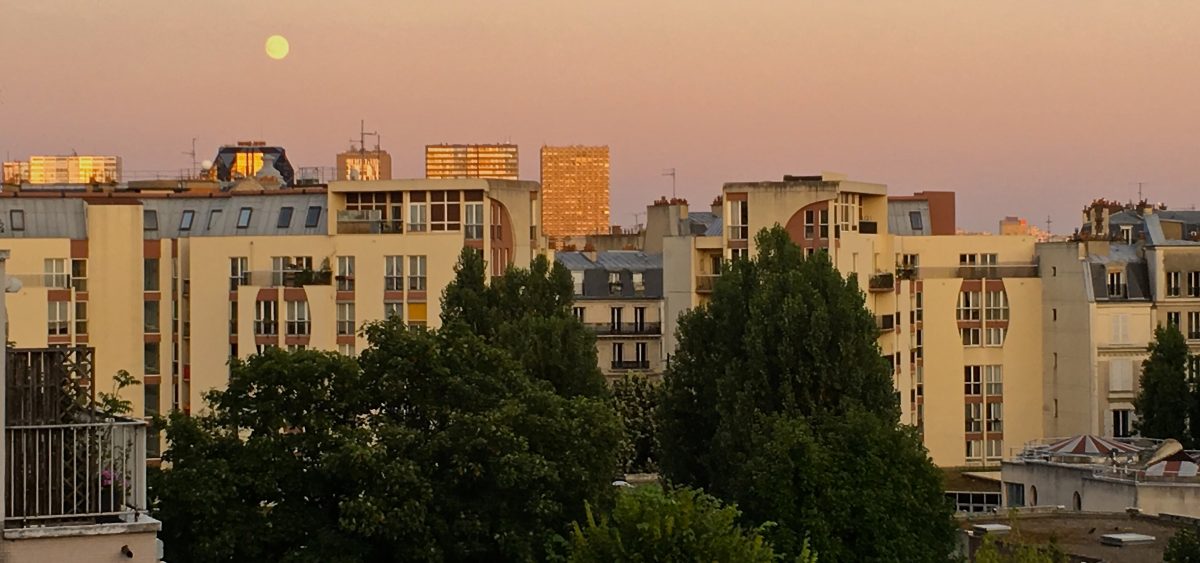
Will she become a mythical figure like Helen of Troy?
When Princess Diana was alive, other than being aware that the British monarchy was changing, especially in terms of fashion, I rarely thought about her. It was impossible to read the newspapers without being aware of her slow fall from grace, but I didn’t understand the entirety of the fuss nor did I wish to. Since I wasn’t paying much attention, I didn’t read anything about all her interviews, coming forth with her eating disorder, her very public misery, and the world population falling more in love with her the more open and vulnerable she became. She was known as the most beautiful woman in the world. What a load to carry on one’s shoulders.
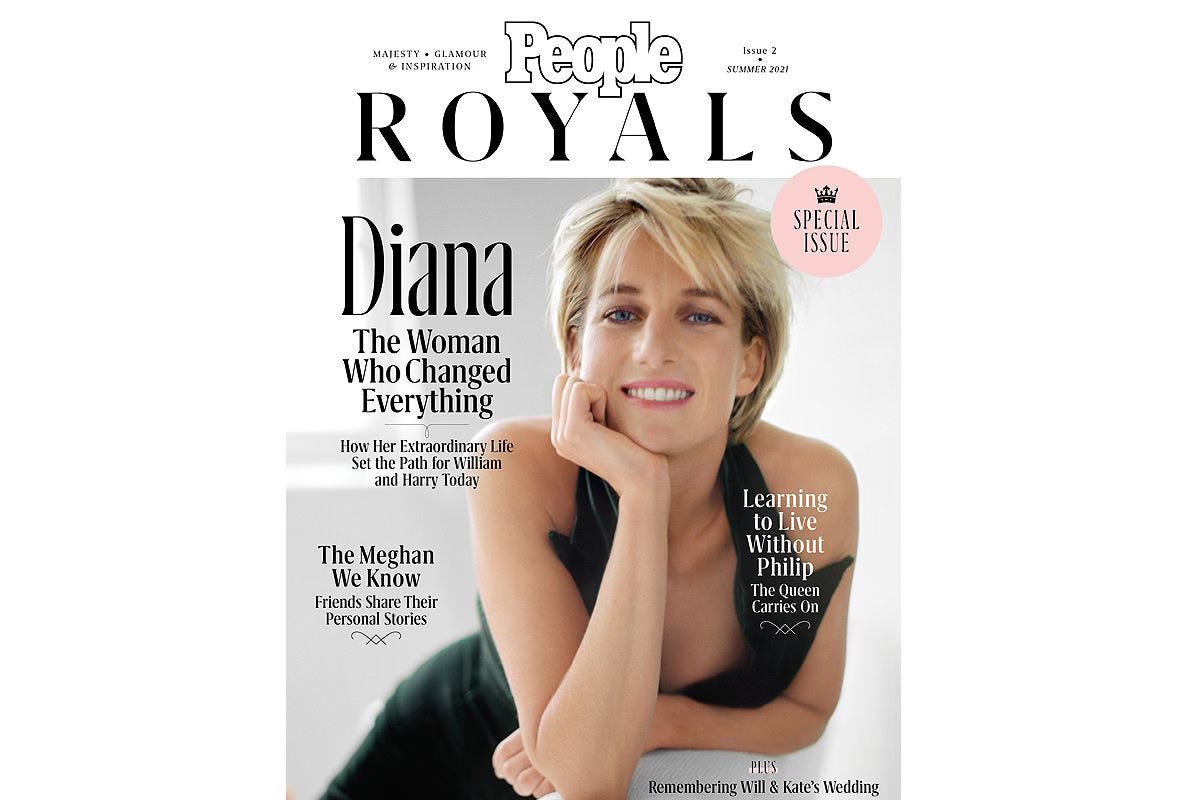
When she died August 1997, I was visiting friends in southern California. Their home was on the beach without a TV. Like all hugely unexpected traumatic events, we were as stunned as anyone else. I had spent 6 weeks in Europe that summer. A friend had kitty-sat my cats and one of them, Yaz, disappeared on her watch. She consulted with some of my friends and it was decided not to spoil my vacation, so I didn’t learn of Yaz’s disappearance until the end of July.
Once home in Oakland, Yaz still gone, Diana dead, I placed a photo of him on a shelf that happened to be above the TV in my home. When watching the funeral procession for the Princess on television (it was on most channels), all I could see was the photo of Yaz. I cried and cried. A friend came over and said “I thought you didn’t care for Diana.” I explained that I was crying for my cat. She just shook her head.
In the last three years, the world has been treated to, among many other things, a movie called Spencer (2021) starring Kristen Stewart; a documentary called The Princess (2022); and the last three seasons of The Crown on Netflix. The documentary showed “the intense and unrelenting public scrutiny that Diana faced. Composed entirely of archival video and audio footage of Diana, beginning from when speculations swirled about her engagement to Prince Charles until her 1997 death in a car crash that took place while she was trying to escape the paparazzi in Paris, the film is a quiet but searing indictment of the media attention focused on Diana, and its role in her passing.”—Time Magazine. Spencer is a film about four days in Diana’s life. Movie goers were not spared seeing her throw up in the toilet, her slowly going “mad” at Monarchy must-dos and must-bes (she consumes most of a pearl necklace), and her all encompassing love for her two sons.
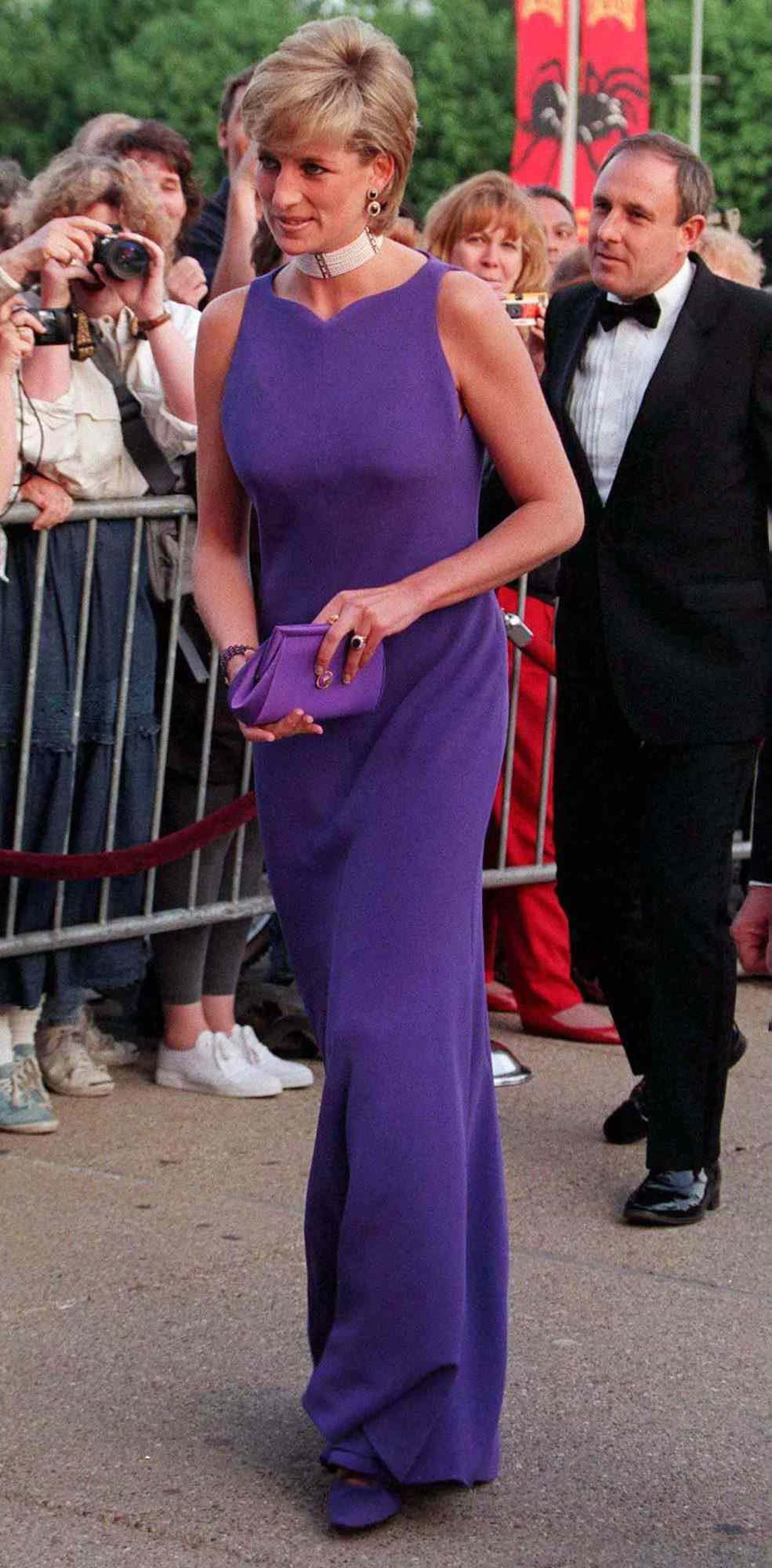
The fifth season of The Crown showed a very different Diana. One who knew exactly what she was doing and how to perfectly manipulate the media to her advantage. The sixth and final season has played out this past November and this week. The first four episodes were all about Diana. Reviewers gave the episodes poor marks. I found them fascinating. The actress who played Diana, Elizabeth Debicki, was perfect; if not more beautiful than Diana herself. Peter Morgan, the writer and director, has said that he is fictionalising true events so I don’t truly know if what I learned about her is accurate or not. It’s great television. General consensus says she knew how to read people, was comfortable in the spotlight, and had a great deal of confidence when dealing with the public. General consensus are the operative words. Who was Diana?
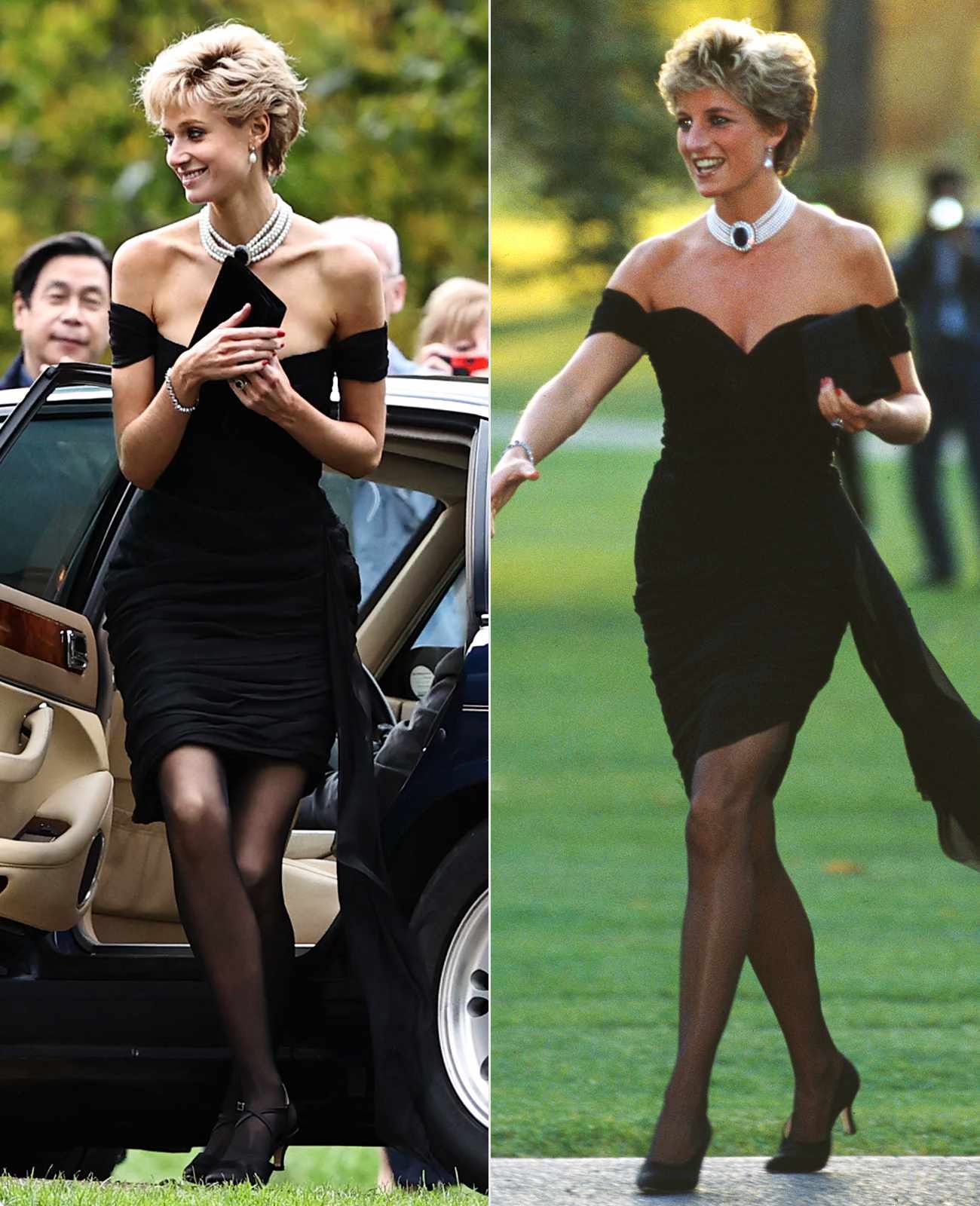
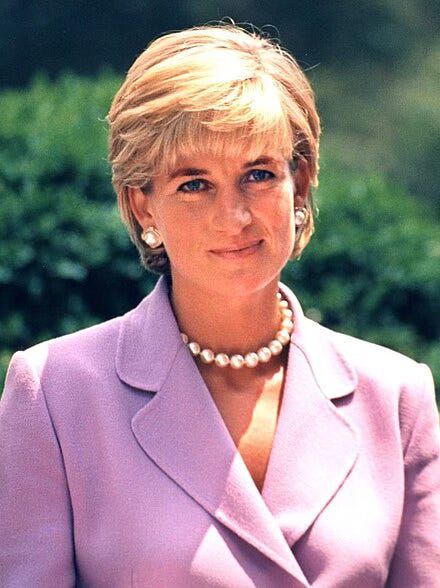
I’ve tried to figure out why my interest in her has changed. She has been gone for 27 years. She no longer seems real to me, a person who once lived and breathed. The monarchy, such as it is, with King Charles now at the the head of The Firm has moved on. Elizabeth has died. Prince Harry has taken over Diana’s role as ‘the outsider/troublemaker’. Cady Lang of Times Magazine says “Despite a life that was so on display, there’s still so much unknown about the interior life of the passionate and complex Princess of Wales. That might explain why Diana holds our fascination to this day, a quarter of a century after her death. It certainly accounts for why her story is the subject of countless creative projects, including multiple documentaries, films, and television shows.” My interest I think is the same interest I have for history in general. But my understanding is that I’m in the minority. Reviewers said that the last two seasons of The Crown have failed because her life and death are still too close to people’s hearts. The last episode of Season 6 has Philip telling Queen Elizabeth that they are the last of a dying breed—a monarchy. I’m betting that all the old-school folk blamed Diana for hastening the change in public opinion of the monarchy.
At my age, I often wonder how history will look back on present events. What will the books say about these last almost two and a half decades of continuous war and growing authoritarianism around the world? We have wonderful myths of King Arthur, Guinevere, and the Round Table but no one knows what really happened. And Robin of Locksley? What was he really like? and what was the real story? And Helen of Troy. Those war years so finely depicted by Homer. But Homer wrote bloody verses, more blood, guts and gore than most of us read in 100 other books. What would Homer do with Princess Diana of Wales? What god would have had a hand in her rise and fall?
Just thoughts as the books, movies, and TV series about her multiply.
A bientôt,
Sara
Thanks for reading Out My Window! Subscribe for free to receive new posts and support my work.
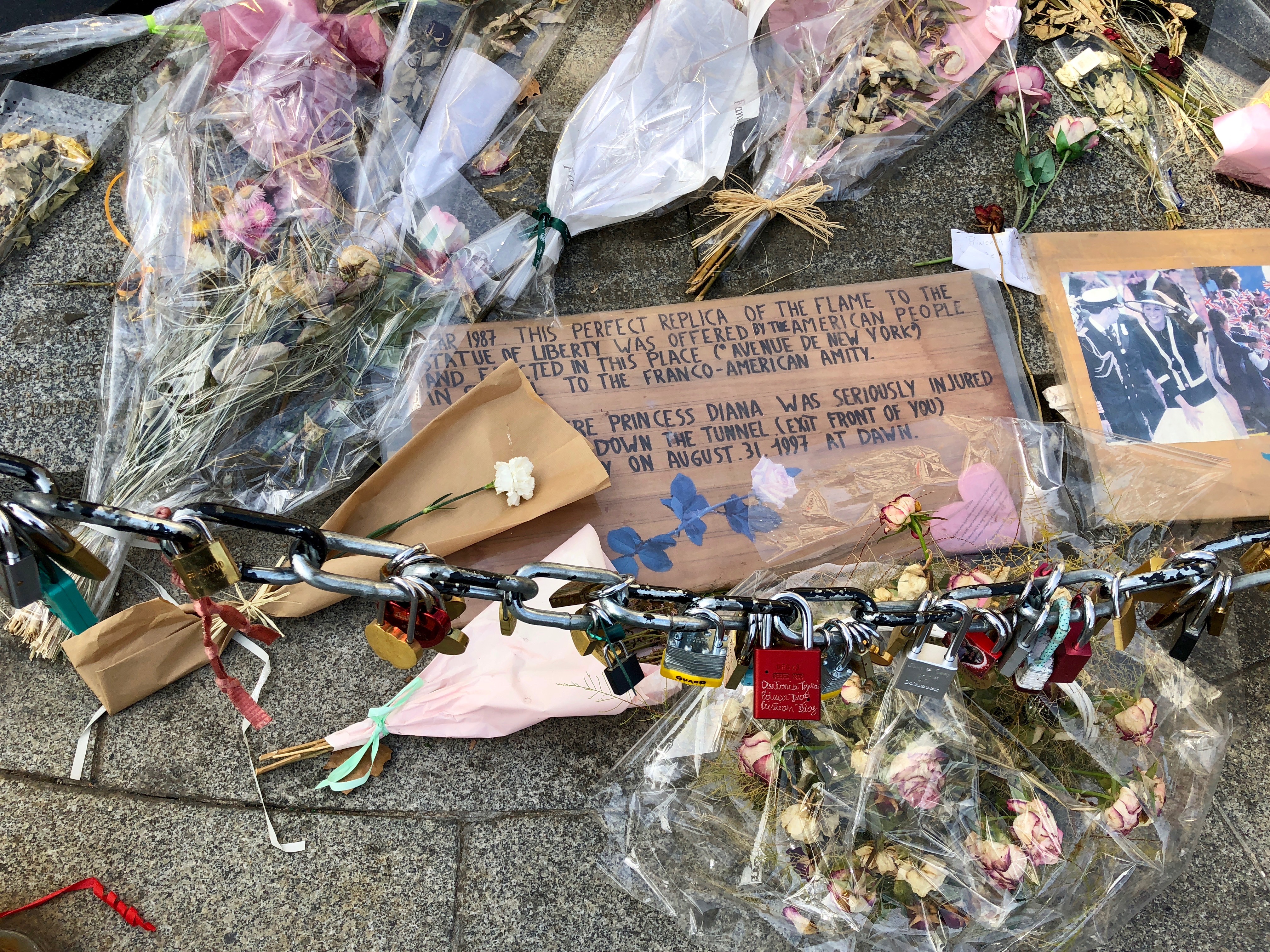


 Almost every day and, certainly on the anniversary of her death, something new is added. I’ve passed the flame when flowers were six inches deep. There is always a crowd around the Flame, always there for Diana and not Lady Liberty. Today, many people think the Flame was built for Diana.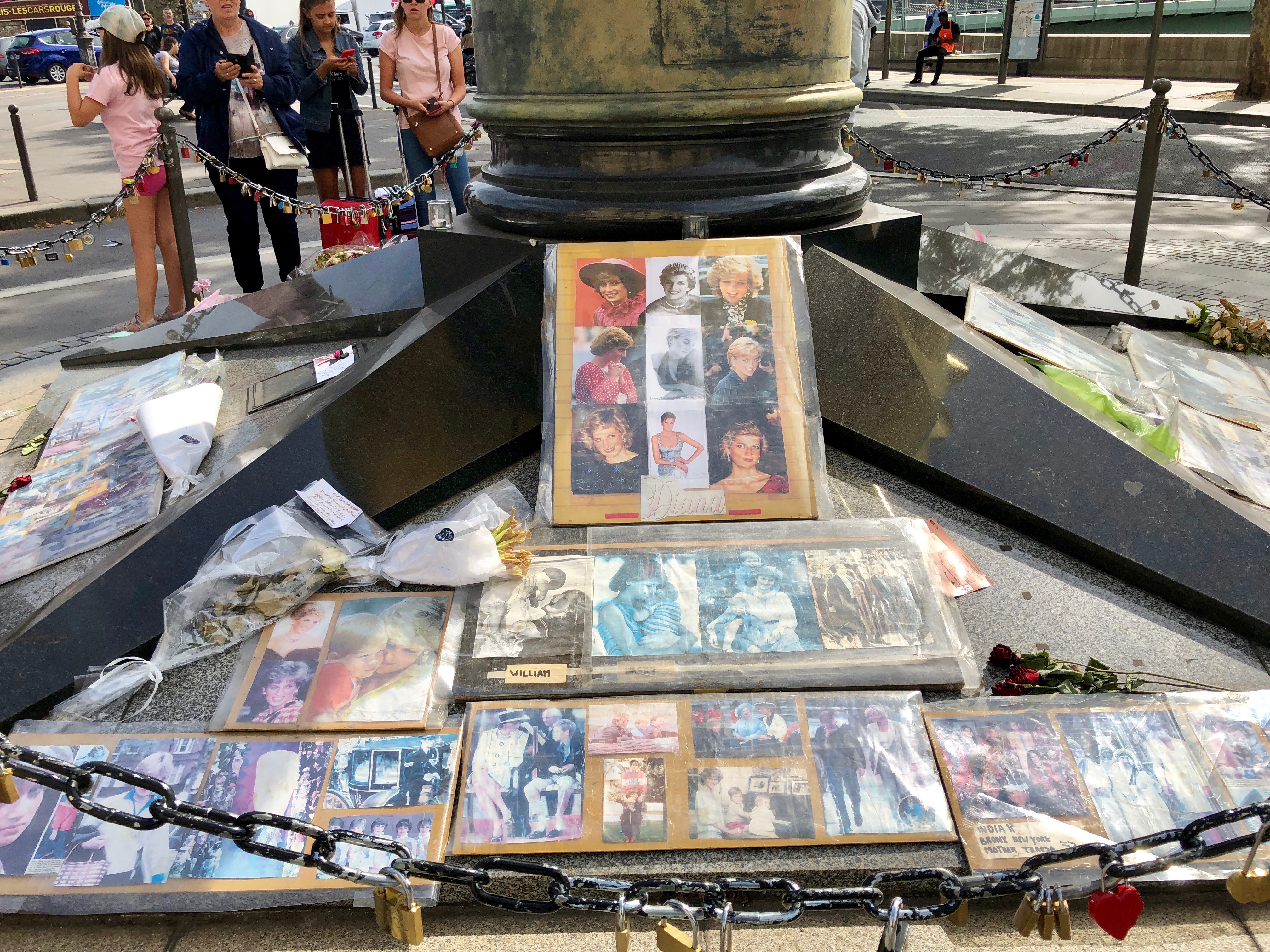

 Out My Window